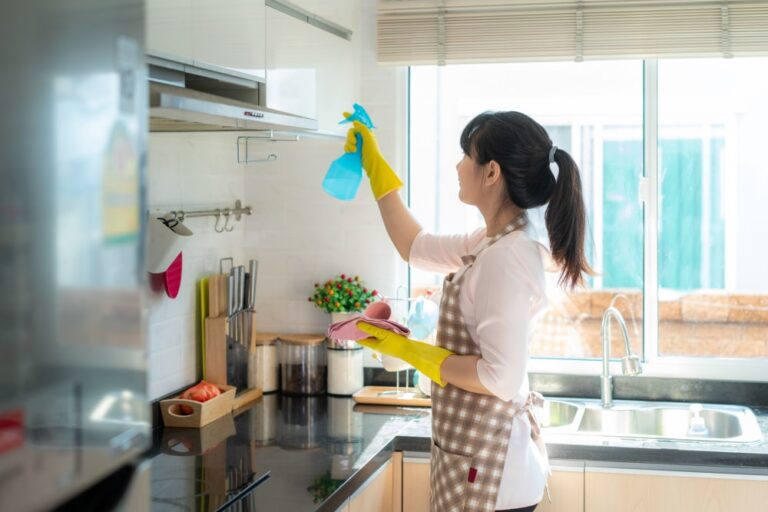
A cluttered home often translates into a cluttered mind. Messy spaces can heighten stress, make daily tasks more difficult, and create a sense of overwhelm that lingers throughout the day. On the other hand, a clean, organized home fosters calm, productivity, and peace of mind. Decluttering isn’t just about throwing things away—it’s about creating intentional spaces that serve your lifestyle. By applying the right strategies, you can transform your home into a sanctuary of comfort and order.
Start With Simple Visual Wins
Decluttering can feel overwhelming, but beginning with small, visible areas helps build momentum. Clear off countertops, tidy entryways, or organize living room surfaces first. These quick wins provide instant gratification and motivate you to keep going.
It’s similar to refreshing your dp insta profile picture. A small change may seem minor, but it immediately uplifts your mood and the way others perceive you. Similarly, clearing one surface can make a big impact on how your entire home feels.
Create Categories For Smarter Sorting
When tackling larger decluttering projects, divide items into categories such as “keep,” “donate,” “sell,” or “discard.” This method reduces decision fatigue and allows you to quickly see what belongs and what doesn’t. Labeling boxes or bins for these categories ensures the process stays organized.
If you’re unsure about specific items, set them aside in a temporary “maybe” box. Revisit it after a few weeks to see if you really missed the items. More often than not, you’ll find it easier to let go.
Just as a lawyers directory Australia organizes professionals into clear categories, your decluttering system should organize possessions into groups that make sense—making it easier to decide their future.
Respect Sentimental Items But Set Limits
One of the biggest challenges of decluttering is handling items with emotional value. Family heirlooms, childhood mementos, or old gifts may carry memories that make them difficult to part with. While it’s important to honor these items, setting boundaries ensures they don’t overwhelm your home.
Choose a designated space, such as a memory box or display shelf, for sentimental belongings. If something doesn’t fit, consider taking photos before letting go. In this way, the memory remains, but the physical clutter doesn’t consume your space.
This balancing act is much like attitude hindi shayari—bold, expressive, and meaningful, yet concise enough to deliver its message without excess. Keeping only what truly matters ensures your space is both meaningful and manageable.
Focus On Functionality
Decluttering is not just about making spaces look good—it’s also about making them work for you. Ask yourself whether items serve a functional purpose or contribute to your daily comfort. For instance, kitchen gadgets you rarely use or clothing that no longer fits can be donated to free up space.
This principle is especially useful in high-traffic areas like kitchens, bathrooms, and bedrooms. When everything has a purpose and a place, routines become smoother and stress levels decrease.
Technology’s Role In Staying Organized
Technology can be a powerful ally in decluttering. From digital calendars to storage apps, tech tools help families stay on top of chores and routines. Online marketplaces also provide easy ways to sell unused items, turning clutter into extra cash.
Businesses specializing in decluttering services or smart storage solutions can often be found through resources like a digital marketing agency listing Australia. These platforms connect homeowners with experts who promote organization products or services, making the process more efficient.
:max_bytes(150000):strip_icc()/minimalist-wood-cabin-finland-98da3bafd84a42b4a6c7775ea7df1b9a.jpg)
Make Decluttering A Family Affair
Decluttering shouldn’t fall on one person’s shoulders. Involving the entire family ensures shared responsibility and creates long-term habits. Assign age-appropriate tasks to children, such as organizing toys or folding clothes, while adults handle larger areas.
Turning decluttering into a fun challenge or setting a timer for “10-minute cleanups” keeps the process from feeling like a chore. Over time, these habits become second nature, creating a household culture of tidiness.
Just as a local tradesmen directory connects people to skilled professionals for different jobs, dividing decluttering tasks ensures everyone contributes based on their strengths.
Establish Maintenance Habits
Decluttering is not a one-time event; it requires consistent upkeep. Create simple daily habits such as putting items back in their place, handling mail immediately, or doing quick evening resets before bed. Weekly check-ins can also prevent clutter from creeping back into your space.
Minimalism principles—owning fewer, higher-quality items—also make maintenance easier. The less you own, the less there is to manage.
The Benefits Of A Decluttered Home
A stress-free home goes beyond clean surfaces. Decluttering boosts productivity, improves focus, and enhances overall well-being. Families often find themselves more relaxed, relationships smoother, and time better managed when living in organized spaces.
Moreover, decluttering brings financial benefits. Selling unwanted items creates extra income, while mindful purchasing habits prevent unnecessary spending in the future.
Conclusion
Decluttering secrets lie in small, intentional steps—starting with visible areas, categorizing items, respecting sentimental belongings, and building long-term habits. Technology and family participation make the process smoother, while clear systems ensure it remains sustainable. Ultimately, a clutter-free home isn’t just about aesthetics; it’s about creating a peaceful environment that supports your daily life. By committing to these practices, you transform your home into a true sanctuary—one that reduces stress, enhances comfort, and gives you more space to enjoy what truly matters.